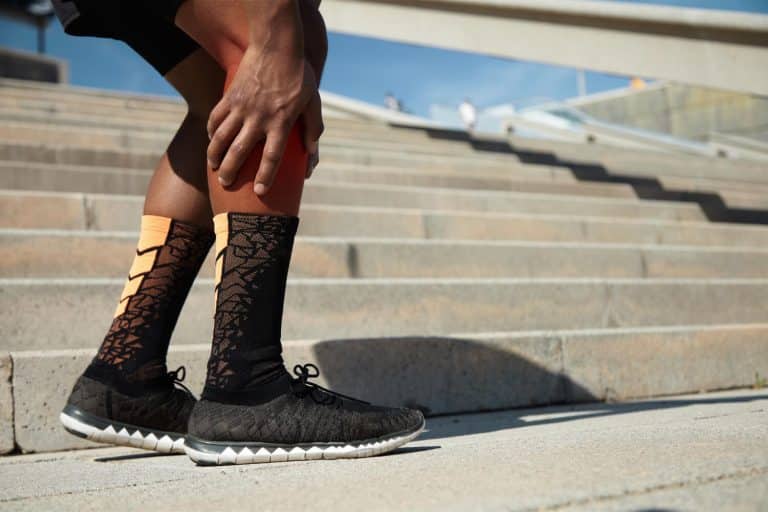
An ankle that repeatedly gives way after a sprain may have incomplete rehabilitation, impaired balance, or ligaments that healed with excessive looseness. Persistent instability is not something you have to accept as normal. A focused examination can distinguish these problems and guide the next step.
Why can the problem persist?
A sprain affects more than swelling and pain. Ligament injury can disrupt the ankle’s sense of position, making uneven surfaces or sudden changes of direction difficult. Some patients have mechanical looseness; others mainly lack strength or neuromuscular control. Associated tendon or cartilage injuries can also contribute. The pattern of symptoms matters more than simply counting how long ago the injury occurred.
What should rehabilitation include?
A structured program may address motion, calf and ankle strength, balance, and progressively more demanding movements. Bracing can help in selected activities while rehabilitation progresses. Ask for a plan that matches your goal, whether that is walking on uneven sidewalks or returning to a cutting sport. Repeatedly resting until pain settles may not correct the underlying control problem.
When is surgery considered?
Surgical evaluation is reasonable when giving-way episodes continue despite appropriate rehabilitation and bracing, especially when examination confirms ligament insufficiency. Imaging may be used to look for associated injuries. Dr. Ettore Vulcano has extensive minimally invasive foot and ankle experience, including published work on percutaneous ligament repair. His pioneering approach includes choosing between repair and reconstruction according to tissue quality and the overall deformity.
How are pain and return to activity managed?
An advanced nerve block can substantially reduce early postoperative pain as part of our anesthesia plan. Recovery still requires protection of the repaired tissues and progressive rehabilitation. Return to sport depends on stability, strength, balance, and functional testing, not pain relief alone. Risks include nerve irritation, stiffness, wound problems, and recurrent instability. Bring a history of prior sprains, treatment, and any episodes of catching or locking to your consultation.
Frequently asked questions
Do I need an MRI after every ankle sprain? No. Examination and the course of recovery guide imaging; persistent symptoms or suspected associated injuries may justify an MRI.
Can I run if my ankle still gives way? Repeated giving way should be assessed before advancing impact activity. A brace does not replace adequate rehabilitation.
For an individualized evaluation in Miami Beach, request an appointment with Dr. Ettore Vulcano or call (305) 674-2090.
General educational information; individual treatment and recovery vary. Source links are included in the HTML articles and upload package.
Related article: Minimally Invasive Brostrom: Repairing Ankle Ligaments Through 3 Tiny Incisions
Learn more about the condition: Ankle Sprain and Ankle Instability