
Minimally Invasive Bunion Surgery in Miami Beach
If you are experiencing pain from a bunion on your foot, our expert team offers advanced minimally invasive bunion surgery designed to restore comfort, mobility, and foot alignment. As a trusted bunion specialist Miami patients rely on, our experienced bunion surgeon Miami Beach provides personalized bunion treatment using modern techniques in minimally invasive foot surgery. Whether you need early care or corrective bunion surgery, our skilled orthopedic surgeon for bunions focuses on precise treatment with faster recovery and minimal disruption to your daily life. Choosing an experienced bunion surgeon ensures safe, effective results tailored to your specific condition.
What is a Bunion?
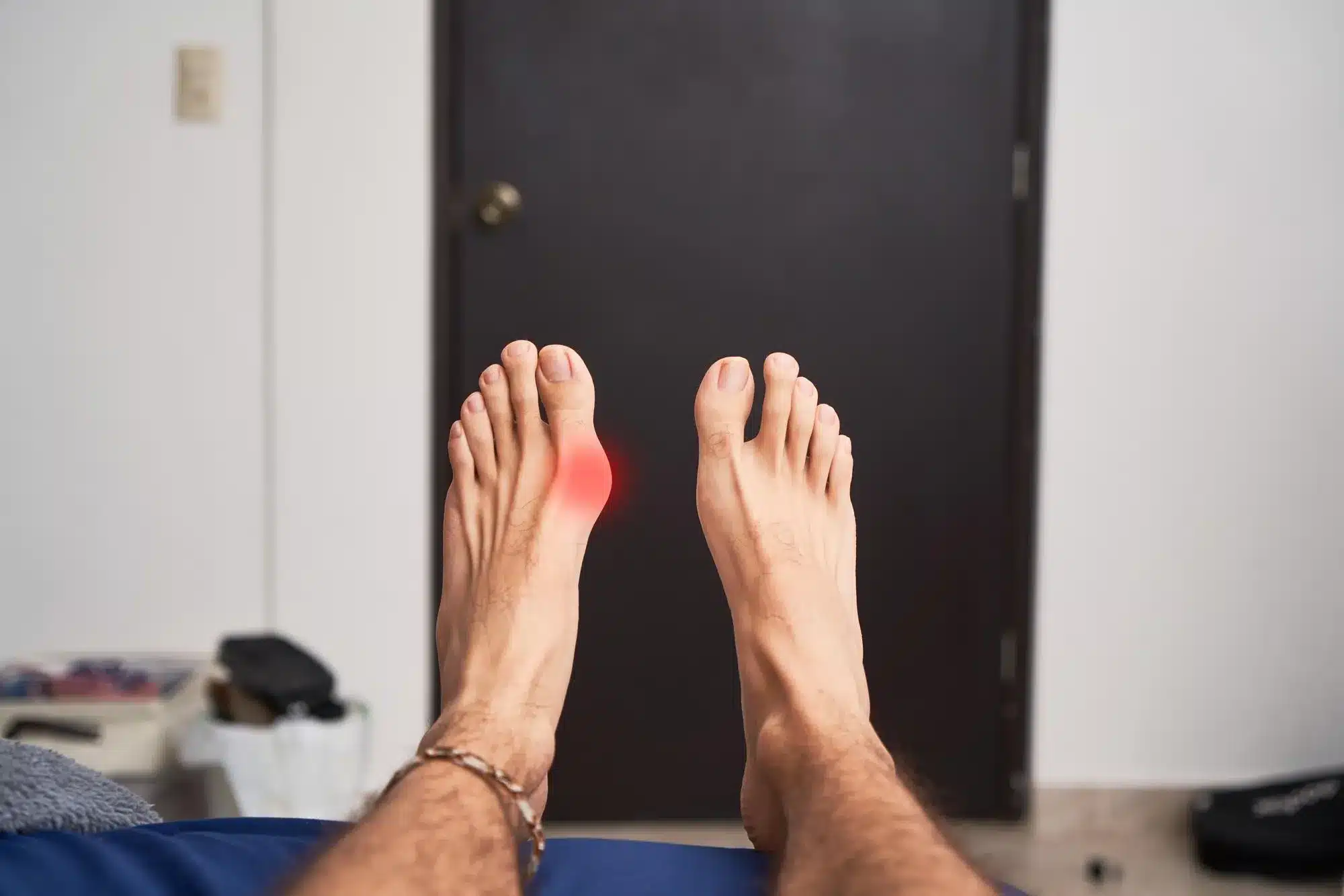
A bunion, medically known as hallux valgus, is a common foot deformity affecting 23% to 35% of the general population. It occurs when your big toe angles toward your smaller toes, creating a bony bump on the inside of your foot at the base of the big toe. This misalignment can cause pain, difficulty walking, problems fitting into shoes, and reduced quality of life.
Bunions develop gradually over time and can be caused by:
-
Inherited foot structure and mechanics
-
Arthritis
-
Previous foot injuries
-
Certain medical conditions affecting joints
When is Surgery Needed?
Not all bunions require surgery. Your doctor will first recommend conservative (non-surgical) treatments such as:
-
Wearing wider, more comfortable shoes
-
Using padding or orthotics
-
Taking anti-inflammatory medications
-
Applying ice to reduce swelling
Surgery is typically recommended when:
-
Conservative treatments have failed to relieve pain
-
The bunion significantly limits your daily activities
-
You have difficulty walking or wearing shoes
-
The deformity is progressively worsening
-
You experience chronic pain and inflammation
Modern Minimally Invasive Bunion Surgery
Traditional open bunion surgery involves making large incisions to directly visualize and correct the bone deformity. While effective, this approach can result in significant soft tissue trauma, larger scars, longer recovery times, and increased risk of wound complications.
Modern minimally invasive bunion surgery (MIBS) uses specialized instruments and techniques to correct bunion deformities through very small incisions—typically 2 cm or less—without the need for extensive cutting of soft tissues.[1][2]
Key Advantages of Minimally Invasive Techniques
Research has demonstrated that minimally invasive bunion surgery offers substantial benefits:[1]
Faster Recovery
-
Accelerated rehabilitation timeline compared to open surgery
-
Quicker return to normal activities and work
-
Shorter operating times
Higher Patient Satisfaction
-
Improved quality of life after surgery
-
91-94% of patients report good or excellent satisfaction
-
Better cosmetic results with smaller scars
Reduced Pain
-
Significantly less pain in the immediate postoperative period
-
Pain scores drop dramatically within the first week after surgery
-
Lower narcotic pain medication use (average of only 2.2 pills of oxycodone)
Fewer Wound Complications
-
Lower risk of wound healing problems
-
Reduced infection rates
-
Minimal soft tissue trauma
Excellent Correction
-
Durable radiographic outcomes for hallux valgus and intermetatarsal angle correction
-
Results comparable to or better than traditional open surgery
Minimally Invasive Double Osteotomy Bunionectomy
The minimally invasive double osteotomy bunionectomy is one of the most popular and well-studied minimally invasive techniques for bunion correction. This minimally invasive approach combines two bone cuts (osteotomies) performed through tiny incisions with modern rigid internal fixation using screws.
How it works:
-
A flat cut (distal metatarsal osteotomy) is made in the first metatarsal bone (the long bone behind your big toe) through a small incision
-
An additional cut (Akin osteotomy) may be made in the big toe bone itself to further straighten the toe
-
The bones are repositioned and held in place with small screws
-
All of this is done through very tiny incisions
Proven Results:
Studies show that minimally invasive double osteotomy bunionectomy provides excellent outcomes:
-
Pain scores improved dramatically
-
Walking and standing ability improved
-
Social interaction improved
-
The bunion angles improved significantly
-
Low rate of symptomatic recurrence
Minimally invasive double osteotomy bunionectomy can successfully treat moderate to severe bunions, not just mild deformities. Research shows excellent correction even in severe cases.
Advantages specific to minimally invasive double osteotomy bunionectomy:
-
Rapid improvement in pain—often within the first week
-
Early weight-bearing allowed
-
Significant deformity correction maintained over time
-
High patient satisfaction (94%)
-
Low complication rates
What to Expect: The Surgical Process
Before Surgery
Your surgeon will:
-
Examine your foot and review weight-bearing X-rays to measure the severity of your bunion
-
Discuss which minimally invasive technique is best suited for your specific deformity
-
Explain the risks and benefits of surgery
-
Answer your questions about the procedure and recovery
During Surgery
-
Most minimally invasive bunion surgeries take 20 minutes
-
You will receive light sedation and regional anesthesia (foot numbed)
-
Your surgeon will make very small incisions
-
Using specialized instruments and fluoroscopic guidance, the bone cuts will be made and the bones repositioned
-
Small screws will be inserted to hold the bones in their corrected position
-
The tiny incisions will be closed with stitches
After Surgery: Recovery Timeline
Immediate Recovery (First 1-2 Weeks):
-
You will wear a surgical shoe or walking boot
-
Immediate weight-bearing is typically allowed in a protective shoe
-
Keep your foot elevated when sitting or lying down to reduce swelling
-
Take pain medication as prescribed—most patients need very little narcotic pain medication
-
Pain improves dramatically within the first week
Early Recovery (2-6 Weeks):
-
Continue wearing your surgical shoe or boot
-
Gradually increase activity as tolerated
-
Begin gentle range-of-motion exercises as directed
-
Most patients can transition to a wide, supportive shoe by 6 weeks
Intermediate Recovery (6-12 Weeks):
-
Transition to regular athletic or walking shoes
-
Continue strengthening exercises
-
Return to most normal daily activities
-
Swelling continues to decrease
Long-Term Recovery (3-6 Months):
-
Continue to see improvement in swelling and comfort
-
Return to all activities including sports
-
Final cosmetic result becomes apparent
-
Most patients achieve excellent functional outcomes by 6 months
Important Note: Recovery protocols may vary based on your specific procedure and surgeon’s preferences. Always follow your surgeon’s specific instructions.
Comparing Minimally Invasive to Open Surgery
Multiple high-quality studies have compared minimally invasive bunion surgery to traditional open techniques:
Clinical Outcomes:
-
Pain relief is similar or better with minimally invasive techniques
-
Functional improvement is comparable between approaches
-
Patient satisfaction is high with both techniques, but may be higher with minimally invasive surgery
Radiographic Correction:
-
Minimally invasive techniques achieve excellent correction of bunion angles
-
Results are durable and maintained over time
-
Some studies show minimally invasive surgery achieves better radiographic results than open surgery
Complications:
-
Complication rates are similar or lower with minimally invasive techniques
-
Wound complications are fewer with minimally invasive approaches
Recovery:
-
Faster recovery with minimally invasive techniques
-
Earlier return to work and activities
-
Less postoperative pain in the immediate period
Long-Term Results:
-
Five-year outcomes are comparable between minimally invasive and open techniques
-
Both approaches provide durable correction and high patient satisfaction
Who is a Good Candidate?
Minimally invasive bunion surgery can successfully treat a wide range of bunion deformities, from mild to severe. You may be a good candidate if:
-
You have painful bunions that have not responded to conservative treatment
-
You have mild, moderate, or even severe bunion deformities
-
You desire faster recovery and smaller scars
-
You want to minimize postoperative pain
-
You are motivated to follow postoperative instructions
Potential Complications
While minimally invasive bunion surgery has low complication rates, it’s important to be aware of potential problems, including but not limited to:
Common Minor Complications:
-
Painful hardware requiring removal (5% of cases)
-
Temporary numbness or tingling (2-3% of cases)
-
Swelling that persists for several months
-
Stiffness of the big toe joint
Less Common Complications:
-
Recurrence of the bunion deformity (5.5% depending on severity)
-
Infection (very rare with minimally invasive techniques)
-
Bone healing problems (malunion or delayed union)
-
Shortening of the first metatarsal
-
Hallux Varus
-
Fracture
-
Need for additional surgery
Factors That May Increase Complication Risk:
-
Smoking
-
Diabetes
-
Poor circulation
-
Severe deformities
-
Not following postoperative instructions
Optimizing Your Recovery
Follow Weight-Bearing Instructions:
-
Most minimally invasive techniques allow immediate weight-bearing in a protective shoe
-
Use assistive devices (crutches, walker, cane) as recommended
-
Gradually increase activity as directed
Manage Swelling:
-
Elevate your foot above heart level when sitting or lying down
-
Wear compression stockings if recommended
-
Expect swelling for several months (4-6 months)—this is normal
Protect Your Incisions:
-
Keep incisions clean and dry until healed
-
Watch for signs of infection (increasing redness, warmth, drainage, fever)
-
The small incisions typically heal quickly with minimal scarring
Perform Exercises:
-
Begin range-of-motion exercises as directed to prevent stiffness
-
Progress to strengthening exercises as healing allows
-
Consistent exercise leads to better outcomes
Don’t Smoke:
-
Smoking significantly impairs bone healing and increases complication risk
-
If you smoke, this is an excellent time to quit
Attend Follow-Up Appointments:
-
Regular follow-up allows your surgeon to monitor your healing
-
X-rays will be taken to ensure proper bone healing and alignment
Frequently Asked Questions
When should I consider bunion surgery for a bunion on my foot?
Not every case requires bunion surgery. A bunion specialist may recommend surgery when conservative bunion treatment options fail to relieve pain, daily activities become difficult, or the deformity worsens. A bunion surgeon evaluates severity through examination and imaging before recommending treatment.
What is minimally invasive bunion surgery and how is it different?
Minimally invasive bunion surgery uses very small incisions to correct deformities while reducing tissue trauma. Compared to traditional procedures, minimally invasive foot surgery often allows faster recovery, less pain, and smaller scars while maintaining excellent correction outcomes.
Who is a good candidate for minimally invasive foot surgery?
Patients with mild, moderate, or severe bunions who experience pain or functional limitations may benefit from minimally invasive bunion surgery. An experienced orthopedic surgeon for bunions will assess your condition, activity level, and treatment goals to determine the best approach.
How do I choose the right bunion surgeon or bunion specialist?
Selecting an experienced bunion specialist Miami patients trust is essential. Specialists like Ettore Vulcano, MD, focus on advanced techniques and personalized treatment planning to ensure optimal results and improved recovery outcomes.
What is the recovery time after bunion surgery?
Recovery timelines vary depending on the procedure and individual healing. Many patients undergoing minimally invasive bunion surgery can begin weight-bearing early and gradually return to daily activities under guidance from their bunion surgeon.
What non-surgical bunion treatment options are available?
Before surgery, a bunion specialist may recommend conservative bunion treatment such as wider footwear, orthotics, anti-inflammatory medications, and activity modifications. At clinics like Ettore Vulcano, MD, treatment plans are tailored to each patient’s condition.
Medical Disclaimer
The information provided on this website is intended for general educational and informational purposes only and is not a substitute for professional medical advice, diagnosis, or treatment. The content may not be applicable to all patients or clinical situations. Individual conditions, circumstances, and responses to treatment can vary significantly. Always seek the advice of a qualified healthcare professional regarding any medical condition, symptoms, or treatment options. Never disregard or delay seeking medical advice because of information found on this website.