
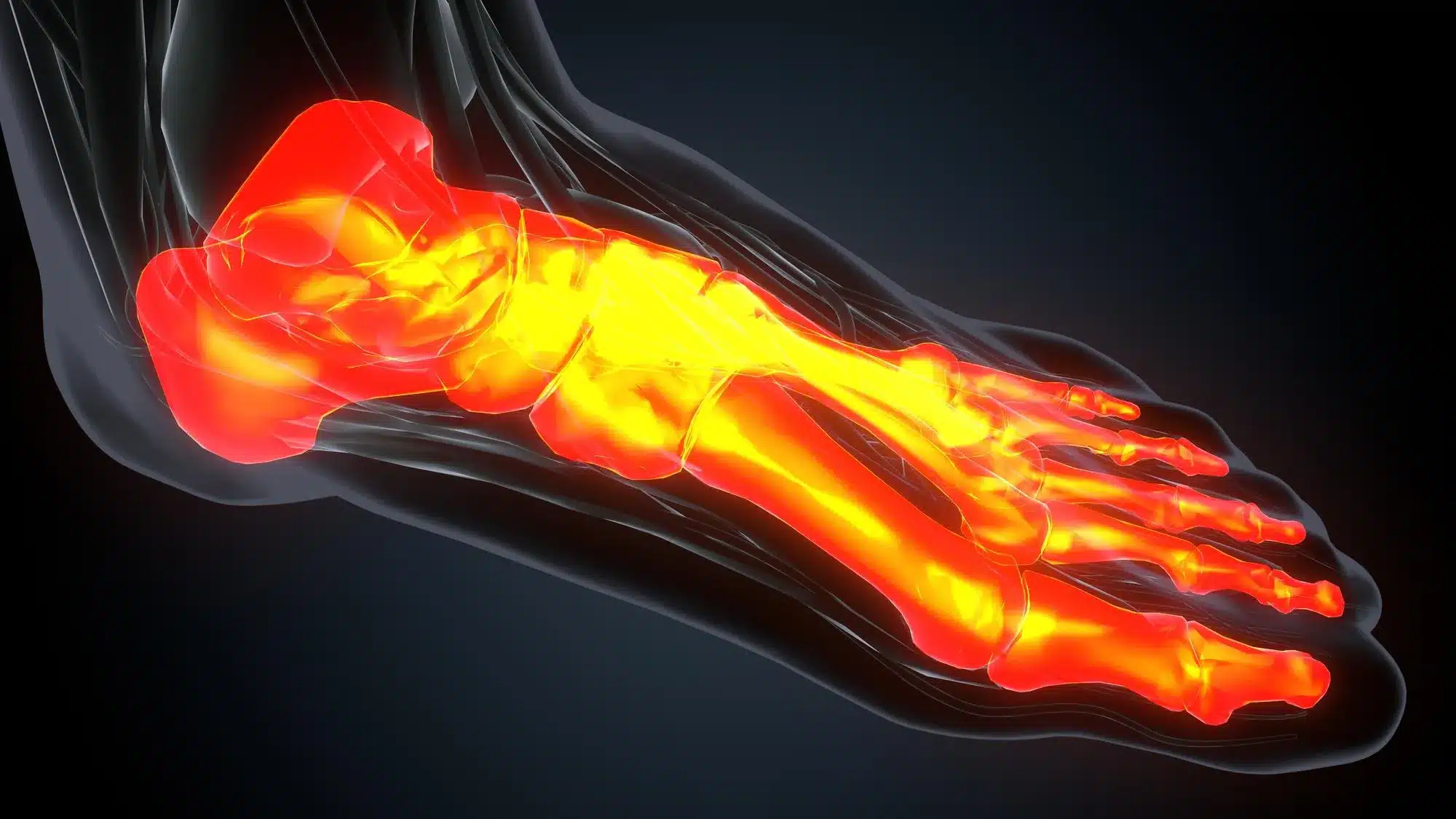
Surgical Complications and Revision Surgery Care
Surgical complications can occur after orthopedic procedures, affecting recovery, mobility, and long-term outcomes. Expert management of orthopedic surgical complications, including foot and ankle surgical complications, focuses on identifying the root cause and restoring function through personalized care. An experienced surgical complication specialist can evaluate your condition and recommend advanced solutions such as revision surgery or targeted failed foot surgery treatment to help improve results and relieve persistent symptoms.
Understanding Surgical Complications
The following information outlines potential risks and outcomes associated with surgical procedures. These are categorized by their frequency and impact on recovery.
Common Complications
-
Superficial infection: A minor infection at the skin surface or incision site.
-
Hematoma: A collection of blood outside of blood vessels, often causing swelling.
-
Joint stiffness, temporary: Limited range of motion that improves over time with recovery.
-
Nerve injury, temporary: Altered sensation or weakness that typically resolves.
-
Permanent numbness around incision: Lasting loss of sensation specifically near the surgical scar.
-
Need for additional (unplanned) surgery: A secondary procedure required to address immediate issues.
-
Incomplete resolution of all pain: Persistence of some level of discomfort after the procedure.
-
Wound dehiscence/Skin slough: Opening of the surgical wound or loss of skin viability at the site.
Unusual Complications
-
Deep infection: Infection involving deeper tissues or bone, requiring intensive treatment.
-
Recurrent infection: An infection that returns after initial treatment.
-
Malunion (bony deformity): Healing of a bone in an abnormal position.
-
Incomplete correction of deformity: The surgery does not fully straighten or fix the original issue.
-
Tendon tears: Damage to the thick cords that join muscle to bone.
-
Recurrence of the condition: The original medical problem returns over time.
-
Nonunion (bone does not heal): Failure of the bone ends to knit together.
-
Delayed bone healing: A healing process that takes significantly longer than expected.
-
Avascular necrosis (bone loses blood supply): Death of bone tissue due to a lack of blood flow.
-
Joint deformity: Permanent structural changes to the joint.
-
Joint stiffness, permanent: Lasting loss of flexibility and range of motion.
-
Fracture of bone at pin site or other sites (broken bone): Breaks occurring near surgical hardware or surrounding bone.
-
Deep venous thrombosis (DVT) (blood clot): A blood clot forming in a deep vein, usually in the leg.
-
Chronic pain: Long-term pain that persists well beyond the normal healing period.
-
Neuroma: A painful growth of nerve tissue.
-
Failure of the procedure: The surgery does not achieve its intended goals.
-
Unhappiness with the procedure: Patient dissatisfaction with the functional or aesthetic outcome.
-
New pain in other regions: Discomfort developing in areas not directly operated on.
-
Need for revision surgery: A planned or necessary follow-up operation to correct issues.
-
Need for fusion: A procedure to permanently join two bones together.
-
Cosmetic deformity: An undesirable change in the physical appearance of the area.
-
Need for ambulatory aids: Requirement for crutches, walkers, or canes.
-
Shoe modifications: The need for specialized footwear or inserts.
-
Change in activities of daily living: Adjustments required for routine tasks like bathing or dressing.
Rare Complications
-
Nerve injury, permanent: Lasting damage resulting in chronic numbness or loss of function.
-
Artery injury: Damage to major blood vessels.
-
Need for blood transfusion: Requirement for supplemental blood due to loss during surgery.
-
Compartment syndrome: Excessive swelling in the leg that could lead to permanent loss of function.
-
Inability to return to work: Long-term disability preventing employment.
-
Fat embolism: Fat particles entering the bloodstream and blocking blood flow.
-
Amputation: Surgical removal of a limb or extremity.
-
Death: A fatal outcome resulting from surgical or anesthetic complications.
Frequently Asked Questions
What are surgical complications in orthopedic procedures?
Surgical complications may include infection, persistent pain, delayed healing, nerve irritation, or alignment issues after surgery. Early evaluation helps identify problems and improve outcomes.
What types of foot and ankle surgical complications can occur?
Common foot and ankle surgical complications include stiffness, hardware problems, nonunion or malunion of bones, scar tissue formation, and continued discomfort following surgery.
When is revision surgery recommended?
Revision surgery may be recommended when previous procedures fail to provide relief, healing does not occur properly, or structural issues remain unresolved after the initial operation.
How can a surgical complication specialist help?
A qualified surgical complication specialist evaluates the cause of failed outcomes and creates a personalized treatment plan, which may include advanced techniques or corrective procedures.
What options are available for failed foot surgery treatment?
Failed foot surgery treatment may include physical therapy, orthotics, minimally invasive procedures, or revision surgery depending on the underlying problem and severity of symptoms.
Medical Disclaimer
The information provided on this website is intended for general educational and informational purposes only and is not a substitute for professional medical advice, diagnosis, or treatment. The content may not be applicable to all patients or clinical situations. Individual conditions, circumstances, and responses to treatment can vary significantly. Always seek the advice of a qualified healthcare professional regarding any medical condition, symptoms, or treatment options. Never disregard or delay seeking medical advice because of information found on this website.