
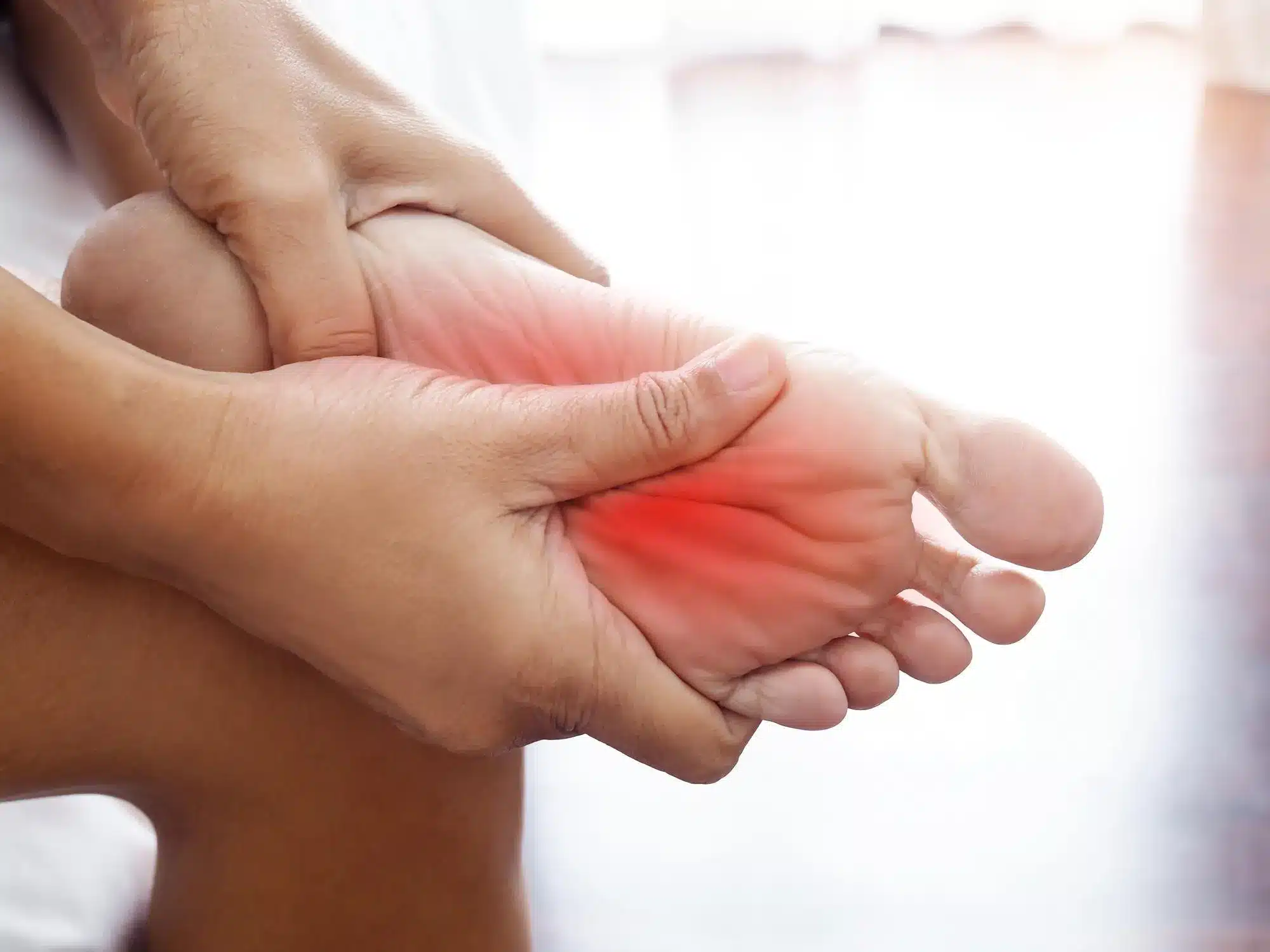
What is Metatarsalgia?
Metatarsalgia is pain in the ball of your foot, specifically in the area beneath the second, third, and fourth toes. Rather than being a specific diagnosis, metatarsalgia is more accurately described as a symptom that can result from various underlying conditions affecting the forefoot.
The metatarsals are the five long bones in your foot that connect your ankle to your toes. When one or more of these bones or the joints at their ends (metatarsophalangeal joints or MTP joints) become overloaded or irritated, you experience metatarsalgia.
Metatarsalgia Treatment for Ball of Foot Pain Relief
Metatarsalgia is a common condition causing ball of foot pain and plantar forefoot pain, often affecting daily movement and comfort. Advanced metatarsalgia treatment options range from conservative care to specialized metatarsalgia surgery when symptoms persist. A skilled metatarsalgia specialist focuses on restoring proper foot alignment and reducing pressure using modern techniques, including minimally invasive procedures and personalized treatment plans.
What Causes Metatarsalgia?
Metatarsalgia has multiple potential causes, which are generally classified as primary (arising from the metatarsals themselves), secondary (resulting from other foot problems), or iatrogenic (caused by previous surgery).
Primary Causes
-
Abnormal metatarsal length (one or more metatarsals being too long)
-
Structural deformities of the metatarsal bones
-
Stress fractures or bone injuries
-
Arthritis affecting the MTP joints
Secondary Causes
-
Bunions (hallux valgus) that shift weight to the lesser toes
-
Hammertoes or claw toes that alter pressure distribution
-
Tight calf muscles (gastrocnemius shortening)
-
Plantar plate tears (damage to ligaments under the toe joints)
-
Morton’s neuroma (nerve irritation between the toes)
-
Excess body weight
Contributing Factors
-
High-impact activities (running, jumping, dancing)
-
Wearing high heels or poorly fitting shoes
-
High arches or flat feet
-
Aging and loss of the natural fat pad under the ball of the foot
-
Inflammatory conditions like rheumatoid arthritis
Research shows that metatarsalgia in patients with bunions is associated with tight Achilles tendons, excessive weight, and associated toe deformities rather than just the bunion itself.
What Are the Symptoms?
Patients with metatarsalgia typically experience:
Pain Characteristics
-
Sharp, aching, or burning pain in the ball of the foot
-
Pain that worsens with weight-bearing activities (walking, running, standing)
-
Pain described as “walking on a marble” or “walking on pebbles”
-
Discomfort that may radiate to the toes
-
Gradual onset that progressively worsens over time
Physical Signs
-
Swelling or inflammation in the forefoot
-
Calluses or thickened skin under the ball of the foot
-
Tenderness when pressing on the affected area
-
Changes in toe position or alignment
-
Difficulty wearing certain shoes
Functional Limitations
-
Difficulty with prolonged walking or standing
-
Avoidance of high-impact activities
-
Altered walking pattern to avoid pain
-
Reduced quality of life and mobility
Non-Surgical Treatment Options
Most patients begin with conservative (non-surgical) treatments:
Footwear Modifications
-
Shoes with a wide toe box and adequate cushioning
-
Avoiding high heels and narrow shoes
-
Rocker-bottom shoes to reduce forefoot pressure
-
Proper arch support
Orthotic Devices
-
Prefabricated shoe inserts
-
Metatarsal pads to redistribute pressure away from painful areas
-
Arch supports to improve foot mechanics
Activity Modification
-
Avoiding high-impact activities that worsen symptoms
-
Choosing low-impact exercises (swimming, cycling)
-
Gradual return to activities as symptoms improve
Physical Therapy
-
Stretching exercises for the calf muscles and Achilles tendon
-
Strengthening exercises for foot muscles
-
Gait training to improve walking mechanics
Medications
-
Over-the-counter pain relievers (ibuprofen, naproxen, acetaminophen)
-
Anti-inflammatory medications
Weight Management
-
Achieving and maintaining a healthy weight to reduce forefoot pressure
While conservative treatments can provide significant relief for many patients, they do not correct underlying structural problems. When non-surgical treatments fail to adequately control symptoms, surgery may be recommended.
Surgical Treatment: Minimally Invasive Metatarsal Osteotomy
When conservative treatments no longer provide adequate relief, minimally invasive metatarsal osteotomy offers an effective surgical solution for correcting the underlying structural problems causing metatarsalgia.
What is Minimally Invasive Metatarsal Osteotomy?
Traditional open surgery for metatarsalgia requires larger incisions (typically 3-5 cm) to access the metatarsal bones, which involves cutting through skin, soft tissues, and sometimes tendons. This can result in significant tissue trauma, visible scarring, stiffness, and longer recovery times.
Minimally invasive (percutaneous) metatarsal osteotomy uses specialized instruments and techniques to correct the problem through very small incisions—typically just 2-3 millimeters in size.
How Does the Procedure Work?
The minimally invasive metatarsal osteotomy procedure:
Surgical Technique
-
Performed through tiny incisions (2-3 mm) in the skin
-
Uses specialized burrs (cutting instruments) to carefully cut, shorten or elevate the metatarsal bone
-
Real-time X-ray guidance (fluoroscopy) ensures precise bone cuts
-
Multiple metatarsals can be treated during the same procedure if needed
Bone Healing
-
The shortened metatarsal bone is allowed to heal naturally
-
Immediate or early weight-bearing helps mold the bone into proper alignment
-
The bone forms a healing callus over 6-12 weeks
-
No internal fixation (screws or plates) is typically required
The Procedure Details
-
Usually performed as outpatient surgery (you go home the same day)
-
Sedation and regional anesthesia
-
Surgery typically takes 10 minutes
-
Can be combined with other foot procedures if needed
How Does It Relieve Pain?
Minimally invasive metatarsal osteotomy relieves metatarsalgia through several mechanisms:
Pressure Redistribution
-
Shortening the overloaded metatarsal reduces pressure beneath that metatarsal head
-
Studies show significant reduction in plantar peak pressure in the painful area after surgery
-
Pressure is redistributed more evenly across all metatarsal heads
Soft Tissue Relaxation
-
Shortening the metatarsal releases tension in the surrounding soft tissues (ligaments, tendons, joint capsule)
-
This decompresses the MTP joint and reduces inflammation
-
Restores balance between bone structure and soft tissues
Joint Decompression
-
Reduces abnormal pressure within the MTP joint
-
Allows damaged structures (like the plantar plate) to heal
-
Decreases inflammation and pain
Advantages of Minimally Invasive Metatarsal Osteotomy
Research comparing minimally invasive to traditional open metatarsal surgery demonstrates significant benefits:
Minimal Surgical Trauma
-
Very small incisions (2-3 mm vs. 3-5 cm for open surgery)
-
Minimal soft tissue disruption
-
Preservation of blood supply to the area
-
Less damage to surrounding structures
Lower Complication Rates
-
Significantly reduced risk of infection due to tiny incisions
-
Lower risk of wound dehiscence
-
Minimal risk of skin blisters or ulcers
-
Reduced soft tissue scarring
-
Lower incidence of joint stiffness compared to open procedures
Excellent Clinical Outcomes
-
Significant improvement in pain scores
-
Marked improvement in function scores
-
Substantial reduction in plantar pressure beneath painful metatarsal heads
-
High patient satisfaction rates (approximately 90% report good to excellent results)
Faster Recovery
-
Quicker return to normal activities
-
Earlier return to work
-
Less postoperative pain and swelling
-
Faster wound healing due to smaller incisions
Excellent Cosmetic Results
-
Tiny scars that fade significantly over time
-
Much better appearance than traditional surgery
-
Minimal visible evidence of surgery
Immediate Weight-Bearing
-
Weight-bearing is allowed immediately or shortly after surgery in a protective shoe
-
Helps mold the bone into proper alignment
-
Maintains muscle strength and bone health
-
Faster return to normal walking
Bone Healing
-
Most osteotomies heal by 3 months
-
Studies show 76% of osteotomies healed by 3-month follow-up
-
Natural bone healing without need for hardware in most cases
What to Expect: Recovery After Minimally Invasive Metatarsal Osteotomy
Immediately After Surgery
-
You will wear a special surgical shoe or walking boot
-
Small bandages or dressings protect the tiny incisions
-
Elevation and ice help reduce swelling
-
Pain is typically minimal due to the minimally invasive approach
First 2-4 Weeks
-
Weight-bearing as tolerated in a surgical shoe
-
Keep your foot elevated as much as possible when not walking
-
Take pain medication as prescribed (usually minimal pain medication needed)
-
Keep incisions clean and dry
-
Follow-up visit to check healing and change dressings
4-8 Weeks
-
Continue wearing protective footwear
-
Gradually increase walking and activity
-
Swelling continues to decrease
-
Begin gentle range-of-motion exercises if recommended
-
Most patients can transition to supportive athletic shoes
8-12 Weeks
-
Bone healing progresses
-
X-rays confirm proper alignment and healing
-
Most osteotomies have healed by 3 months
-
Return to most normal daily activities
-
Transition to regular supportive shoes
3-6 Months
-
Forefoot swelling may take several months to completely resolve
-
This is normal and expected
-
Full recovery achieved
-
Return to all activities including sports
-
Final foot position and function established
-
Minimal to no pain
Long-Term
-
High patient satisfaction (approximately 90% report good to excellent results)
-
Excellent functional outcomes
-
Tiny scars that continue to fade
-
Maintained correction of the problem
-
Significant improvement in quality of life
Potential Complications
While minimally invasive metatarsal osteotomy has significantly lower complication rates than open surgery, potential issues can include:
Common Minor Issues
-
Swelling that persists for several months (normal and expected)
-
Temporary stiffness of the toes
-
Mild discomfort during healing
Less Common Complications
-
Transfer metatarsalgia (pain shifting to adjacent metatarsals) – occurs in less than 3-10% of cases
-
Non-union (failure of bone to heal) – rare
-
Malunion (healing in incorrect position)
-
Deformity of the toes
Frequently Asked Questions
What is metatarsalgia and what causes ball of foot pain?
Metatarsalgia refers to pain and inflammation in the ball of the foot, often caused by excessive pressure on the metatarsal bones. Common causes include improper footwear, high-impact activities, foot structure issues, and conditions like bunions or hammertoes.
What are the common symptoms of plantar forefoot pain?
Plantar forefoot pain may include burning or sharp pain in the ball of the foot, a feeling of walking on pebbles, swelling, and discomfort that worsens with standing or walking.
What metatarsalgia treatment options are available?
Metatarsalgia treatment may include footwear modification, orthotics, physical therapy, activity modification, and anti-inflammatory measures. Surgery is considered when conservative treatments do not relieve symptoms.
When is metatarsalgia surgery recommended?
Metatarsalgia surgery may be recommended when chronic pain persists despite non-surgical care. Surgical techniques aim to reduce pressure, improve alignment, and relieve stress on the forefoot.
How do I find a metatarsalgia specialist in Miami?
A qualified metatarsalgia specialist can evaluate your symptoms, diagnose the underlying cause, and recommend personalized treatment options, including advanced metatarsalgia surgery Miami when needed.
Medical Disclaimer
The information provided on this website is intended for general educational and informational purposes only and is not a substitute for professional medical advice, diagnosis, or treatment. The content may not be applicable to all patients or clinical situations. Individual conditions, circumstances, and responses to treatment can vary significantly. Always seek the advice of a qualified healthcare professional regarding any medical condition, symptoms, or treatment options. Never disregard or delay seeking medical advice because of information found on this website.