A flexible flatfoot can still change shape during examination, while a rigid flatfoot remains stiff and may have arthritic joints. This distinction helps determine whether treatment should support the foot, reconstruct its alignment, or fuse painful joints. A low arch alone does not mean surgery is necessary.
Why does flexibility matter?
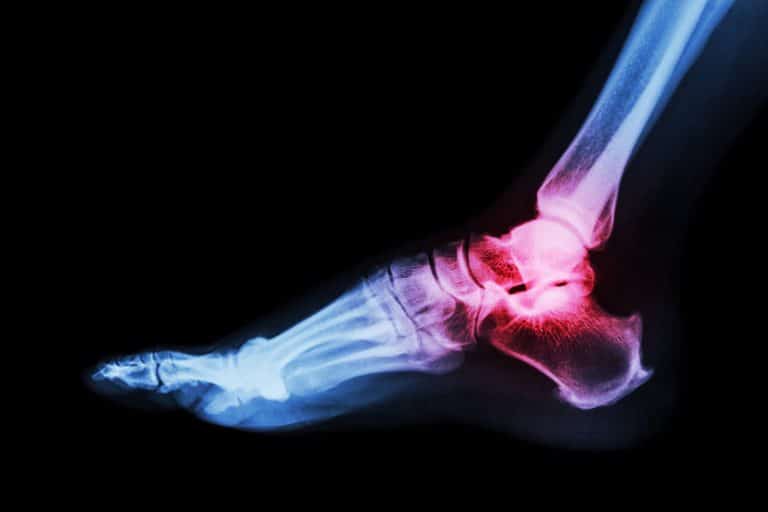
The arch, heel, tendons, and supporting ligaments work together. An adult foot that progressively flattens may also develop an outward-shifting heel or pain around the inner ankle. Standing X-rays show alignment under load. Examination adds information about motion, strength, and where symptoms originate. Two feet with similar-looking arches may need very different treatments.
What can help before surgery?
Supportive footwear, orthoses or bracing, activity changes, and targeted physical therapy may improve comfort and function. The choice depends on whether the main problem is tendon overload, instability, or arthritis. Describe when symptoms occur: after prolonged standing, on uneven ground, or during the first steps after rest. This helps focus the assessment rather than treating the appearance of the arch alone.
When can minimally invasive reconstruction help?
When symptoms persist, selected flexible deformities can be treated with bone realignment and, when needed, tendon or ligament procedures. A stiff, arthritic foot may require fusion instead. Dr. Ettore Vulcano’s extensive reconstructive experience includes pioneering minimally invasive foot surgery. He selects the operation around the deformity rather than assuming every flatfoot can be corrected with the same small-incision technique.
What should I understand about recovery?
Our advanced nerve-block approach can substantially reduce early surgical pain, but the reconstructed tissues still need protection. Ask whether you will need a period without weight bearing, which walking aid is safest, and when therapy begins. Bone healing and the combination of procedures determine progress. Risks include infection, nerve irritation, persistent symptoms, and delayed or incomplete bone healing.
Frequently asked questions
Do all flat feet get worse? No. Many are comfortable and stable. New pain, weakness, or a changing foot shape deserves evaluation.
Can an orthotic rebuild the arch permanently? An orthotic supports the foot and can reduce symptoms; it does not usually reverse established adult bone deformity.
For an individualized evaluation in Miami Beach, request an appointment with Dr. Ettore Vulcano or call (305) 674-2090.
General educational information; individual treatment and recovery vary. Source links are included in the HTML articles and upload package.