If you’ve ever looked down at your feet in the mirror and noticed your arches seem to have disappeared, or if standing for more than a few minutes leaves your feet aching and tired, you’re not alone. Flat feet — or pes planus, as we call it in the medical world — is one of the most common conditions I treat in my practice here in Miami. And while flat feet might sound like a minor issue, for many of my patients, it’s anything but.
I’ve spent the better part of my career advancing minimally invasive surgical techniques for the foot and ankle. I was the first surgeon in the United States to perform percutaneous bunion surgery after training extensively in Europe, and I’ve since authored the definitive medical textbook on minimally invasive foot surgery. That experience has given me a unique vantage point when it comes to treating flat feet — because the same philosophy that drives my bunion work drives everything I do: achieve the best possible correction through the smallest possible approach.
So let’s talk about flat feet — what causes them, when to worry, and how modern minimally invasive techniques are changing the game for patients who need surgical correction.
What Are Flat Feet, Exactly?
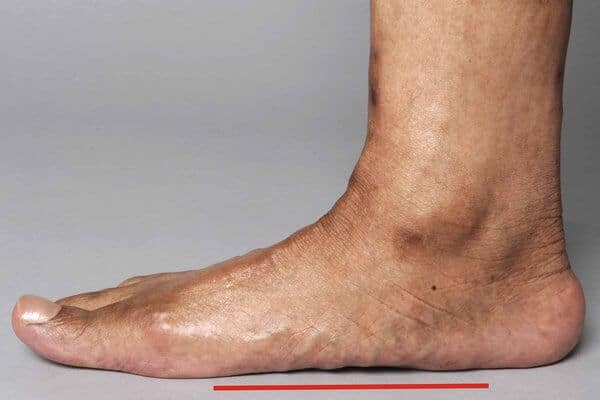
Flat feet occur when the arch of the foot collapses, allowing the entire sole to make contact — or near-contact — with the ground. Some people are born with flat feet and never develop a noticeable arch. Others develop the condition over time, a situation we refer to as adult-acquired flatfoot deformity (AAFD), most commonly caused by progressive dysfunction of the posterior tibial tendon.
Here’s the thing I always tell my patients: having flat feet isn’t automatically a problem. Plenty of people with low or absent arches live completely active, pain-free lives. The concern arises when flat feet become symptomatic — causing pain, instability, difficulty walking, or progressive deformity that affects your ankle, knee, or even your hip and lower back. That’s when we start talking about treatment options.
How Do I Know If My Flat Feet Need Treatment?
This is probably the question I hear most often in my clinic. The short answer: if your flat feet are affecting your quality of life, it’s time to see a specialist. But let me be more specific. You should consider an evaluation if you’re experiencing:
- Pain along the inside of your foot or ankle, especially after activity
- Swelling around the inner ankle that doesn’t go away with rest
- A noticeable change in the shape of your foot — the arch flattening or the heel tilting outward
- Difficulty standing on your toes on one foot (a classic sign of posterior tibial tendon dysfunction)
- Pain in your knees, hips, or lower back that may be linked to altered foot mechanics
- A feeling of instability or “giving way” when walking on uneven surfaces
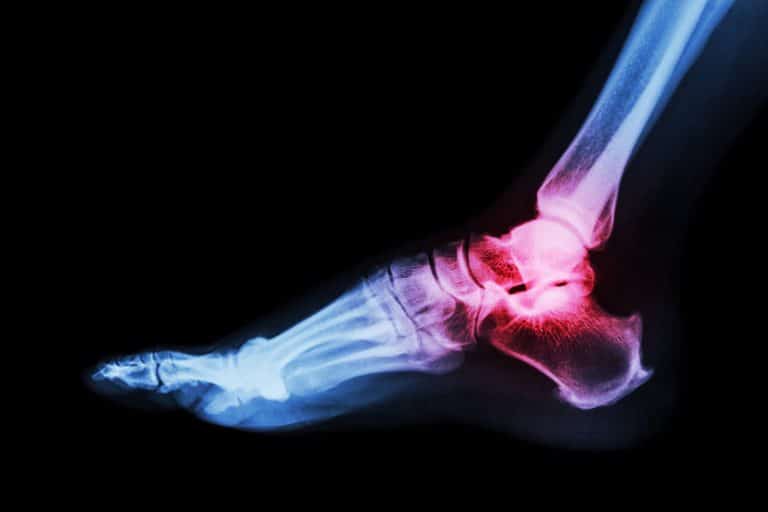
I always start with a thorough clinical examination and weight-bearing X-rays. In some cases, I’ll also order an MRI to evaluate the posterior tibial tendon and surrounding soft tissue structures. The key is understanding exactly where the breakdown is occurring so we can tailor the treatment plan.
Do All Flat Feet Require Surgery?
Absolutely not — and I want to be very clear about that. Surgery is never my first recommendation. The majority of patients with symptomatic flat feet respond well to conservative management, and I always exhaust non-surgical options before discussing the operating room.
Conservative treatments I commonly prescribe include orthotic insoles to support the arch and redistribute pressure, physical therapy focused on strengthening the posterior tibial tendon and surrounding musculature, activity modification and supportive footwear, anti-inflammatory medications for acute flare-ups, and bracing for more advanced cases. These approaches work well for many patients, particularly those in the earlier stages of flat foot deformity. But when conservative care fails after several months — or when the deformity is progressing despite treatment — that’s when I start the conversation about surgical options.
Minimally Invasive Surgery for Flat Feet: A Better Way Forward
This is where my passion — and frankly, where my life’s work — comes in. Traditional flat foot surgery has been effective for decades, but it often involves large incisions, significant soft tissue dissection, and prolonged recovery times. Patients frequently face months of non-weight-bearing restrictions and a long road back to normal activity.
Minimally invasive and percutaneous techniques are fundamentally changing this paradigm. Through tiny incisions — sometimes as small as 3 to 5 millimeters — we can perform precise bone cuts (osteotomies), realign the foot’s architecture, and fix the underlying structural problem with dramatically less trauma to the surrounding soft tissues.
Having performed hundreds of minimally invasive procedures and trained surgeons across the country in these techniques, I can tell you that the advantages are real and meaningful for patients:
| Key Advantages of Minimally Invasive Flat Foot Surgery
• Smaller incisions that result in less scarring and lower risk of wound complications • Reduced soft tissue disruption, which means less postoperative pain and swelling • Faster recovery timelines — many patients return to supportive footwear weeks earlier than with traditional approaches • Precise, controlled bone cuts guided by fluoroscopic imaging in real time • Lower infection rates compared to extensive open procedures • Potential for earlier return to work and daily activities |
What Minimally Invasive Procedures Are Used for Flat Feet?
The specific surgical plan depends on the severity and pattern of your flatfoot deformity. No two feet are identical, and I take a highly personalized approach to every surgical case. That said, here are some of the minimally invasive techniques I use most frequently:
Percutaneous Calcaneal Osteotomy (Heel Bone Realignment)
This is one of the cornerstones of flat foot correction and an area of deep expertise for me — I’ve authored an extensive textbook chapter dedicated specifically to the percutaneous calcaneal osteotomy. In this procedure, I make a precise cut through the heel bone (calcaneus) through a tiny percutaneous incision and shift it inward (medially) to realign the hindfoot. This single correction can dramatically improve foot alignment and restore a more natural weight-bearing axis. Because the incision is so small, there’s minimal risk to the surrounding nerves and tendons that traditional open approaches must carefully navigate around.
Minimally Invasive Medializing Calcaneal Osteotomy
Similar to the percutaneous approach above, this technique focuses on correcting the valgus (outward tilting) alignment of the heel that is characteristic of flat feet. Through a small incision, I use specialized instruments and real-time fluoroscopic guidance to make the osteotomy, shift the heel into proper alignment, and secure it with a screw. The precision of this approach allows me to fine-tune the correction intraoperatively, ensuring optimal alignment for each patient’s unique anatomy.
Percutaneous Tendo-Achilles Lengthening
A tight Achilles tendon or gastrocnemius muscle is a major contributing factor in many flatfoot deformities. Through two or three tiny stab incisions, I can perform a controlled lengthening of the Achilles tendon percutaneously, improving ankle range of motion and reducing the forces that contribute to arch collapse. This is often combined with bony procedures for a comprehensive correction.
Minimally Invasive Cotton Osteotomy (Medial Cuneiform)
When the forefoot is part of the deformity — specifically when it’s supinated or elevated relative to the hindfoot — a Cotton osteotomy can help. This involves making a small opening wedge cut in the medial cuneiform bone (in the midfoot) and inserting a small bone graft or wedge to plantarflex the first ray. Performed minimally invasively, this adds stability to the medial column and helps recreate the arch.
Why Surgeon Experience Matters in Minimally Invasive Foot Surgery
I’ll be honest with you: minimally invasive surgery isn’t something every surgeon can simply pick up overnight. The learning curve is steep. When you’re working through a 4-millimeter incision, there’s no margin for error. You need a deep understanding of three-dimensional foot anatomy, extensive training in fluoroscopic-guided techniques, and the kind of tactile experience that only comes from performing these procedures hundreds of times.
My journey into minimally invasive foot surgery started years before most American surgeons had even heard of percutaneous techniques. I traveled to Europe to train directly with the pioneers of these methods, and I brought that knowledge back to the United States, where I became the first surgeon to perform percutaneous bunion surgery in the country. Since then, I’ve dedicated my career to refining these approaches, publishing peer-reviewed multi-center research, writing the textbook that other surgeons now use as their reference, and training the next generation of minimally invasive foot surgeons.
When you’re choosing a surgeon for minimally invasive flat foot surgery, ask about their specific training and volume. How many of these procedures have they performed? Did they train with established experts? Do they have published research in the field? These questions matter because your outcomes depend directly on the skill and experience of the hands holding the instruments.
What Does Recovery Look Like After Minimally Invasive Flat Foot Surgery?
One of the most rewarding aspects of my practice is watching patients recover faster than they expected. While every surgical plan is different, and I always set honest expectations with my patients, minimally invasive flat foot surgery generally offers a more comfortable recovery compared to traditional open procedures.
In many cases, patients experience less pain in the first few days after surgery, require less narcotic pain medication, can transition to protected weight-bearing sooner, see reduced swelling and bruising, and return to regular shoes and normal activities earlier. The exact timeline depends on which procedures were performed, the severity of the deformity, and your overall health. I develop a detailed, individualized recovery plan for every patient and follow them closely through every stage of healing.
Frequently Asked Questions About Flat Feet and Minimally Invasive Surgery
Can flat feet be corrected without surgery?
Yes, many cases of flat feet can be managed effectively without surgery. Orthotics, physical therapy, supportive footwear, and activity modifications are the first line of treatment. Surgery is only considered when conservative measures have failed to relieve symptoms or when the deformity is progressive.
Is minimally invasive flat foot surgery right for everyone?
Not necessarily. The best surgical approach depends on the severity of the deformity, the flexibility of the foot, the condition of the tendons and joints, and the patient’s overall health. During your consultation, I perform a thorough evaluation to determine whether minimally invasive techniques are appropriate for your specific case.
How long does minimally invasive flat foot surgery take?
Depending on the complexity of the correction, most minimally invasive flat foot procedures take between 45 minutes and two hours. Many of these procedures are performed on an outpatient basis, meaning you go home the same day.
Will my flat feet come back after surgery?
When the surgery is performed correctly and the patient follows the postoperative protocol, the correction is durable and long-lasting. I also address contributing factors like Achilles tightness and tendon dysfunction to minimize the risk of recurrence.
What makes minimally invasive surgery different from traditional flat foot surgery?
Traditional flat foot surgery typically requires large incisions, extensive soft tissue dissection, and longer recovery periods. Minimally invasive techniques achieve the same structural corrections through tiny incisions using specialized instruments and real-time imaging guidance, resulting in less pain, less scarring, and faster recovery.
How do I know if I need flat foot surgery?
If you have persistent foot pain, difficulty with daily activities, or a progressive change in foot shape despite trying orthotics, physical therapy, and other conservative measures for several months, you may be a candidate for surgery. The best next step is a consultation with a foot and ankle specialist who can evaluate your specific condition.
Take the First Step Toward Pain-Free Feet
If flat feet are holding you back from the activities you love, I encourage you to schedule a consultation. Whether you’re just starting to notice symptoms or you’ve been dealing with flat foot pain for years, there are solutions — and the advances in minimally invasive surgery mean that correction doesn’t have to mean a long, painful recovery.
As someone who has dedicated their career to pushing the boundaries of what’s possible through small incisions, I can tell you that this is an exciting time for patients with foot and ankle conditions. The technology, the techniques, and the outcomes are better than they’ve ever been.
I’d love the opportunity to evaluate your feet, answer your questions, and help you understand all of your options. Contact my office today to schedule your appointment.
Disclaimer: This blog post is intended for educational purposes only and does not constitute medical advice. Every patient’s condition is unique. Please consult with a qualified healthcare professional for diagnosis and treatment recommendations specific to your situation.