Bunions are one of the most common conditions we treat in our orthopedic foot and ankle practice. Roughly one in four adults between the ages of 18 and 65 develops hallux valgus — the medical term for the deformity that produces the bump on the side of your big toe. For many patients, this condition progressively worsens over time, eventually interfering with walking, exercise, shoe fit, and quality of life.
The good news is that bunion surgery has advanced dramatically over the past decade. Percutaneous, or minimally invasive, bunion correction is now available to patients who might once have faced a lengthy open surgery and prolonged recovery. I was fortunate to train in Europe — where these techniques had already been practiced for over two decades — and to introduce modern percutaneous bunion surgery to the United States when the FDA approved the specialized instrumentation in 2017. Our program at the Icahn School of Medicine at Mount Sinai became the first in the country to offer the procedure, and I continue to perform it here in Miami.
Percutaneous bunion surgery corrects the deformity through tiny incisions rather than a large open cut, allowing patients to recover faster, with less pain and better cosmetic results. In this article, I’ll walk through what bunions are, when surgery becomes necessary, and why minimally invasive techniques offer meaningful advantages over traditional approaches.
What Exactly Is a Bunion?
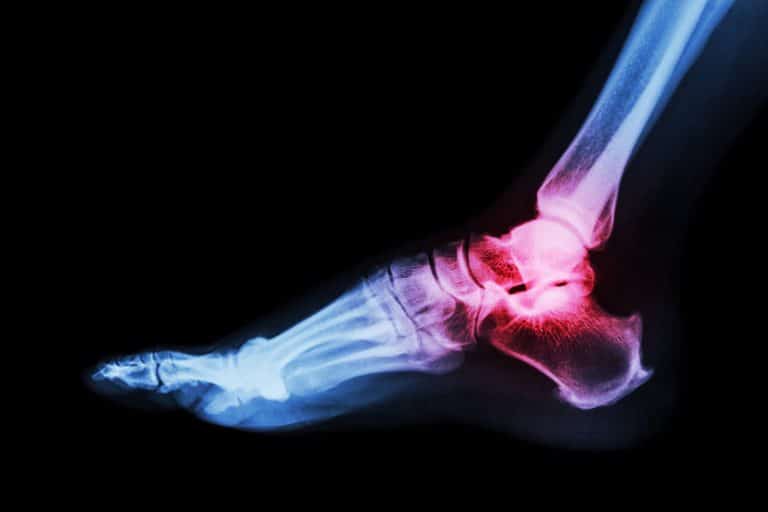
A bunion is not simply a bump that grows on the side of your foot. It is a structural deformity of the first metatarsophalangeal (MTP) joint — the joint at the base of your big toe.
In a healthy foot, the first metatarsal bone (the long bone behind your big toe) and the big toe itself are aligned in a relatively straight line. In a bunion, the first metatarsal drifts inward toward the midline of your body while the big toe angles outward toward the smaller toes. This angular mismatch creates the bony prominence on the inside of your foot that most people recognize as a bunion.
The deformity occurs in three dimensions. The metatarsal doesn’t just shift sideways — it also rotates and may tilt downward or upward. This three-dimensional nature is important because it affects which surgical technique will produce the best correction.
As the deformity progresses, the joint becomes increasingly unstable. The big toe may begin to crowd or overlap the second toe, contributing to secondary problems like hammertoes, crossover toe, or painful calluses on the ball of the foot. The MTP joint itself can develop arthritis over time if the misalignment is not addressed.
What Causes Bunions?
Genetics is the primary driver. If your parents or grandparents had bunions, you are significantly more likely to develop them. What you inherit is not the bunion itself but the foot structure — including bone shape, ligament laxity, and biomechanical patterns — that predisposes you to the deformity.
Other contributing factors include flat feet (pes planus), hypermobility of the first metatarsocuneiform joint, neuromuscular conditions, and inflammatory arthritis such as rheumatoid arthritis. Contrary to popular belief, tight or narrow shoes do not cause bunions in people with normal foot structure. However, constrictive footwear can accelerate progression of the deformity in people who are already predisposed and can certainly make an existing bunion more painful.
Women are affected more frequently than men, partly due to genetic factors and partly due to footwear patterns. Bunions also tend to worsen with age as the supporting soft tissues gradually lose strength and elasticity.
When Is Bunion Surgery Necessary?
Not every bunion requires surgery. Many patients manage their symptoms effectively with conservative measures, and we always explore nonsurgical options first. These include wearing shoes with a wide toe box, using bunion pads or toe spacers for comfort, taking anti-inflammatory medications for flare-ups, and in some cases, using custom orthotics to improve overall foot mechanics.
However, it is important to understand that no conservative treatment can reverse a bunion. Splints and spacers may relieve temporary discomfort, but they will not straighten the toe or correct the underlying bone alignment. The deformity is structural, and once it reaches a certain threshold, it will only continue to progress.
We typically recommend surgical evaluation when a patient experiences one or more of the following:
Persistent pain at the big toe joint that limits walking, exercise, or daily activities. Difficulty finding comfortable shoes due to the width of the deformity. Progressive worsening of the angular deformity on X-rays. Secondary problems such as hammertoes, metatarsalgia (pain in the ball of the foot), or bursitis over the bunion. Failure of conservative treatments to adequately control symptoms over a period of several months.
The decision to proceed with surgery is always a collaborative one between the patient and the surgeon. We consider the severity of the deformity, the patient’s activity level, overall health, and personal goals when recommending a treatment plan.
Traditional Open Bunion Surgery: How It Works
Traditional bunion correction — sometimes called open bunion surgery — has been the standard approach for decades and remains effective for certain cases. The procedure involves making an incision typically two to six inches long along the top or inside of the foot. Through this opening, the surgeon directly visualizes the bone and joint, removes the bony prominence, cuts the metatarsal bone (a procedure called an osteotomy), and shifts it into proper alignment. Screws, plates, or pins are used to hold the corrected position while the bone heals.
The large incision comes with trade-offs. It disrupts more soft tissue — skin, muscle, joint capsule, blood vessels, and nerves — which contributes to greater postoperative pain, more swelling, a longer recovery period, and a higher risk of stiffness in the big toe joint. Scar tissue from the extensive soft tissue dissection can limit range of motion even after the bone has healed. Recovery from traditional open bunion surgery typically involves six to eight weeks of restricted weightbearing, often requiring crutches, a knee scooter, or a walking boot, followed by a gradual return to normal footwear and activities over three to six months.
What Is Percutaneous Bunion Surgery?
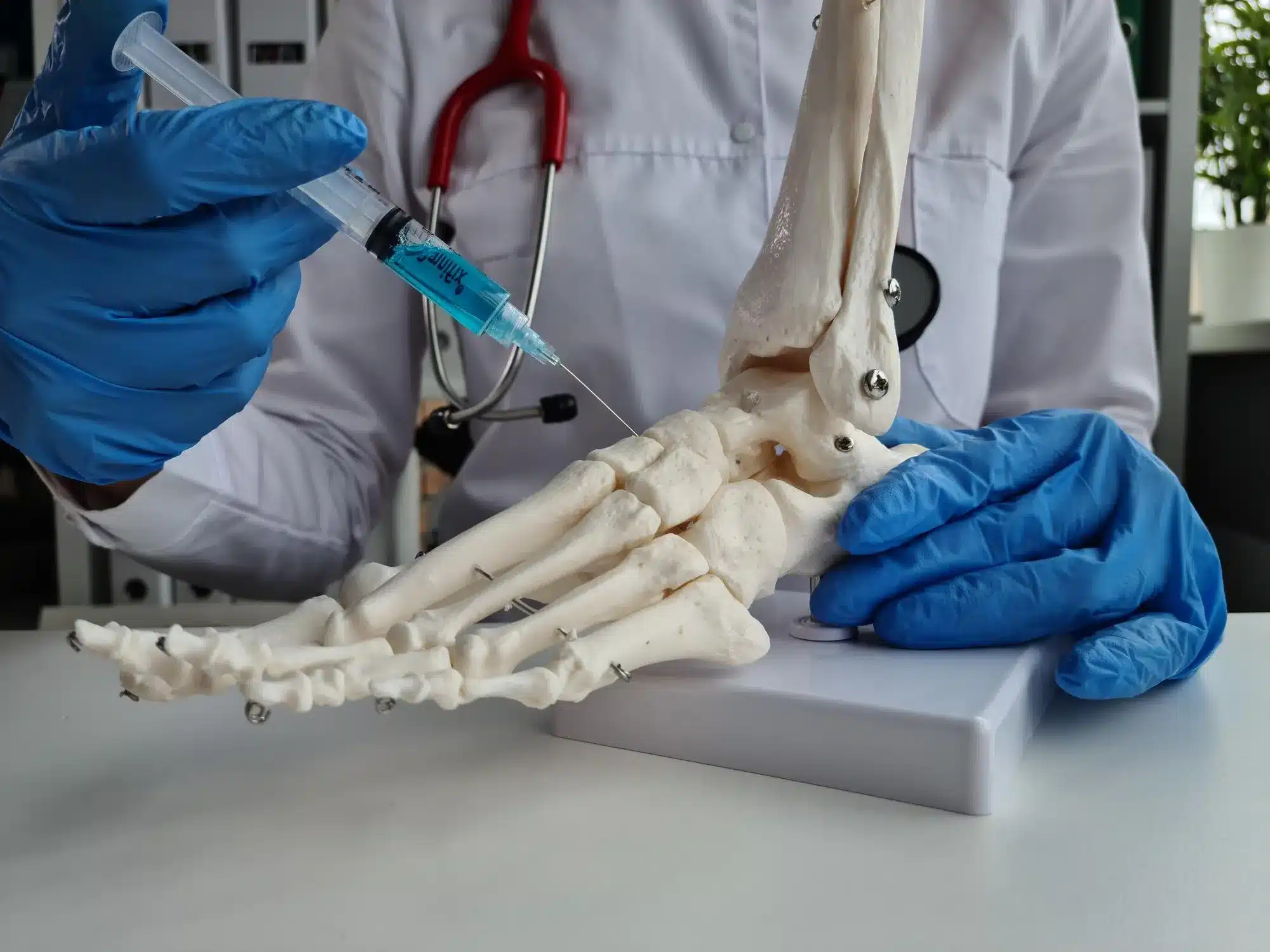
Percutaneous bunion surgery is a minimally invasive technique that achieves the same structural correction as open surgery but through incisions that are typically only one-eighth to one-half inch long. The term “percutaneous” literally means “through the skin” — the entire correction is performed through small puncture-like portals rather than a long open incision.
Instead of using a traditional oscillating saw to cut the bone, the surgeon uses a specialized surgical burr — a small, precise rotary instrument — to perform the osteotomy through the tiny incision. As Dr. Vulcano describes the technique, the burr grinds the bone with extraordinary precision, allowing for controlled reshaping and repositioning that would not be possible through a conventional open exposure. The bone is then repositioned into its corrected alignment and secured with screws that are inserted percutaneously as well. The entire procedure is guided by fluoroscopy, which provides real-time X-ray imaging so the surgeon can visualize the bone position throughout the operation without needing a large open exposure.
The specific technique used depends on the nature and severity of the deformity. In many cases — including bunions that might previously have been considered too severe for a minimally invasive approach — percutaneous correction can be performed through tiny incisions, enabling correction in all three planes, including rotation, while minimizing soft tissue disruption. This allows for early weightbearing, less pain, a better cosmetic outcome, and a faster return to work and sport.
Advantages of Percutaneous Bunion Surgery
The benefits of percutaneous bunion correction are well supported by clinical research and consistent with what I and many of my colleagues have observed in our patients over the years. A 2025 systematic review published in the Journal of Clinical Medicine that analyzed 22 studies with a minimum two-year follow-up concluded that minimally invasive bunion surgery offers faster recovery, higher patient satisfaction, and fewer wound complications compared to traditional open techniques, while achieving durable radiographic correction.
Here are the specific advantages we discuss with patients:
Less Postoperative Pain
Because the incisions are so small, significantly less soft tissue is disrupted during the procedure. The joint capsule, surrounding muscles, and skin sustain far less trauma than in an open approach. This translates directly into reduced postoperative pain. Many of our percutaneous bunion patients manage their discomfort with over-the-counter anti-inflammatory medications and acetaminophen alone, with less than half requiring any stronger pain medication. By contrast, traditional open bunion surgery typically involves more significant pain management needs in the first one to two weeks.
Faster Recovery and Earlier Weightbearing
One of the most meaningful advantages for patients is the ability to bear weight much sooner after surgery. With percutaneous techniques, most patients are able to walk in a postoperative shoe on the day of surgery. There is no prolonged non-weightbearing period, no crutches, and in most cases no knee scooter. Patients typically transition into a supportive sneaker within four to six weeks and return to most normal daily activities during that same timeframe. Research indicates that percutaneous bunion patients recover up to eight weeks faster than those who undergo open procedures.
Compare this to traditional open surgery, where patients commonly face six to eight weeks of limited or non-weightbearing activity, followed by a gradual progression back to full function over several additional months.
Smaller Scars and Better Cosmetic Outcome
The cosmetic difference is significant. Percutaneous incisions are so small — often just a few millimeters — that they heal with minimal to no visible scarring. Traditional open surgery leaves a scar that can be several inches long along the top or side of the foot. While scarring may seem like a minor consideration compared to pain and function, many patients — particularly those who are self-conscious about wearing sandals or going barefoot — value this benefit highly.
Preserved Range of Motion
Stiffness of the big toe joint is one of the most common complaints after traditional open bunion surgery. The extensive soft tissue dissection required for an open approach can produce scar tissue within the joint capsule that limits how far the toe can bend. Because percutaneous surgery avoids opening the joint capsule, it preserves or can even improve range of motion at the MTP joint. This is particularly important for patients who want to return to activities that require full toe mobility, such as running, yoga, or wearing heeled shoes.
Lower Risk of Wound Complications
Smaller incisions heal faster and are less susceptible to wound complications including infection, delayed healing, and wound dehiscence (separation). This is especially valuable for patients with risk factors for poor wound healing, such as diabetes, peripheral vascular disease, or those taking immunosuppressive medications. In my experience, high-risk patients — including those who smoke, are obese, or have diabetes and neuropathy — are particularly good candidates for percutaneous surgery precisely because the minimal soft tissue disruption reduces their already elevated complication risk. The reduced soft tissue disruption also means less overall swelling, which further supports healing.
Equivalent or Superior Correction
A concern some patients have is whether a minimally invasive approach can achieve the same degree of correction as open surgery. The evidence is reassuring. Clinical studies have demonstrated that percutaneous techniques achieve equivalent or superior radiographic correction of the hallux valgus angle and intermetatarsal angle compared to open procedures for mild to moderate deformities. The fluoroscopic guidance used during percutaneous surgery actually allows for very precise real-time assessment of bone alignment, giving the surgeon excellent control over the final correction.
Reduced Narcotic Use
In an era where opioid stewardship is an important consideration, the reduced pain associated with percutaneous surgery means fewer patients require narcotic pain medications after the procedure. This is better for patient safety, reduces the risk of opioid-related side effects such as nausea and constipation, and eliminates concerns about dependency.
Dr. Vulcano is trained and experienced in both open and percutaneous techniques and recommends the approach that will produce the best outcome for each individual patient. His unique background — having trained in Europe where these minimally invasive techniques originated, and then pioneering their adoption in the United States — gives him a depth of expertise with percutaneous correction that is unmatched domestically. The goal is always the same: to correct the deformity, relieve pain, and restore function so you can return to the activities you enjoy.
Frequently Asked Questions About Percutaneous Bunion Surgery
Is minimally invasive bunion surgery covered by insurance? Yes. When deemed medically necessary, percutaneous bunion surgery is covered by most insurance plans just as traditional bunion surgery would be. Medical necessity is typically established by documented pain, functional limitation, and failure of conservative treatments.
Can a bunion come back after percutaneous surgery? Recurrence is possible with any bunion surgery technique, though rates are generally low with proper surgical technique and appropriate postoperative care. Factors that may increase recurrence risk include hypermobility, genetic predisposition, and returning to constrictive footwear. Wearing sensible, supportive shoes after recovery can help maintain your correction long-term.
How long before I can drive after percutaneous bunion surgery? This depends on which foot was operated on and your surgeon’s specific protocol. Many patients who have surgery on their left foot and drive an automatic vehicle can resume driving within one to two weeks. Right foot surgery typically requires a longer wait — usually four to six weeks — until you can safely and comfortably operate the brake and gas pedals.
Will I need physical therapy? Some patients benefit from physical therapy to optimize range of motion, strength, and gait mechanics after surgery. Your surgeon will determine whether formal physical therapy is indicated based on your individual progress at follow-up visits. Many patients do well with a home exercise program alone.
Can percutaneous surgery fix a bunion that came back after a previous open surgery? In many cases, yes. Percutaneous techniques can be an excellent option for revision bunion surgery because the small incisions allow the surgeon to work around previous scar tissue from the original open procedure. Dr. Vulcano has extensive experience with revision cases and considers this one of the technique’s most compelling applications for patients who have suffered failed prior surgery.
Schedule a Consultation With Dr. Vulcano
If you are experiencing bunion pain that is affecting your daily life, or if you have been told you need bunion surgery and want to explore minimally invasive options, we encourage you to schedule a consultation with Dr. Vulcano. As the surgeon who introduced percutaneous bunion surgery to the United States, Dr. Vulcano brings unparalleled experience to every evaluation. A thorough assessment of your foot structure, deformity severity, and personal goals will help determine the approach that will give you the best possible outcome with the fastest return to the activities you love.
Contact our office today to book your appointment with Dr. Vulcano.